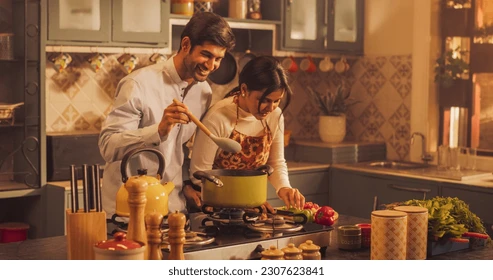


Cook culture is a unique blend of tradition, innovation, and personal expression that has evolved across centuries and continents. Cooking is more than just a necessity for survival; it is an art form, a cultural marker, and a communal activity that connects generations, regions, and people. From the kitchens of grand chefs to family dining tables, the culture surrounding food plays a significant role in how societies define themselves.
This article explores the fascinating world of cook culture, examining its history, modern-day practices, global influences, and how food brings people together. Whether you’re a professional chef or a home cook, understanding cook culture enriches your appreciation for the food you prepare and enjoy.
1. The Origins of Cook Culture
Cooking has existed since the dawn of human civilization. Early humans discovered fire, leading to the cooking of food, which not only made food more palatable but also safer to eat. Over the millennia, cooking methods have evolved, and food preparation became an integral part of cultural identity.
Historically, each culture developed its own unique methods of cooking based on local ingredients, climate, and traditions. Whether through grilling meats over open flames in ancient Egypt or steaming rice in bamboo baskets in Southeast Asia, these techniques formed the foundation of what we now call cook culture.
In ancient societies, cooking was often a communal activity. It played a central role in religious ceremonies, feasts, and celebrations. These early culinary practices were passed down through generations, laying the groundwork for modern cook culture
2. The Role of Cooking in Society
Cooking has always been more than just preparing food. It has social, economic, and cultural dimensions that bind communities together. The role of cooking varies across different societies and time periods, but it always serves as a form of cultural expression.
- Social Bonds: In many cultures, cooking is a communal activity, and meals are shared with family and friends. This helps strengthen social bonds and allows individuals to connect with their heritage.
- Economic Impact: In the modern world, the culinary industry has become a major economic driver, providing jobs and generating significant revenue. From restaurants to food production, cooking has a profound effect on economies.
- Cultural Significance: Different cuisines are often tied to specific cultures. For instance, Italian pasta, Japanese sushi, and Mexican tacos are iconic dishes that reflect the traditions and values of their respective cultures.
In essence, cooking is both an art form and a social activity that influences nearly every aspect of life.
3. Culinary Techniques: From Tradition to Innovation
Over time, cooking techniques have evolved significantly. Early methods, such as roasting over fire, have given way to more sophisticated approaches like sous-vide cooking, molecular gastronomy, and fermentation. However, traditional techniques remain highly valued in modern cook culture, as they provide a deep connection to history and culture.
- Traditional Techniques: These methods are passed down through generations. Examples include baking bread in wood-fired ovens, preparing dumplings by hand, and slow-cooking stews in cast iron pots. These time-honored practices emphasize patience and respect for ingredients.
- Modern Innovations: Technological advancements have introduced new methods of cooking, such as the use of immersion circulators for sous-vide cooking or using liquid nitrogen in molecular gastronomy. These innovations have opened new doors for creativity in the kitchen.
- Fusion Cooking: The blending of various culinary traditions to create new dishes is a hallmark of modern cook culture. Dishes like sushi burritos and Korean BBQ tacos are perfect examples of how chefs creatively fuse elements from different cuisines to develop something entirely new.
While traditional techniques still hold a prominent place in cook culture, contemporary chefs are continually pushing boundaries, experimenting with new tools, flavors, and presentations.
4. Cook Culture Around the World
One of the most beautiful aspects of cook culture is its diversity. Every culture has its own unique culinary traditions, ingredients, and methods of cooking. Let’s take a brief look at some of the most influential global cooking cultures.
- Mediterranean Cuisine: Known for its emphasis on fresh vegetables, olive oil, seafood, and grains, Mediterranean cuisine has shaped the culinary world for centuries. Countries like Italy, Greece, and Spain have rich culinary traditions that focus on simple, flavorful ingredients.
- Asian Cuisine: From the sushi of Japan to the spicy curries of India, Asian cooking cultures are incredibly varied. Stir-frying, steaming, and grilling are common techniques, and ingredients like soy sauce, rice, and herbs are staples in many dishes.
- Latin American Cuisine: Latin American cooking features bold flavors, often utilizing ingredients like corn, beans, chilies, and tropical fruits. Mexican, Peruvian, and Brazilian cuisines are known for their vibrant and diverse dishes.
- French Cuisine: France is often considered the epicenter of fine dining, and French culinary techniques have influenced global cuisine. From classic sauces to haute cuisine, the art of French cooking is revered for its precision, elegance, and rich flavors.
These diverse cultures contribute to a global cook culture that celebrates both individual traditions and the joy of sharing food with others.
5. The Impact of Food on Identity and Belonging
Food is deeply intertwined with identity. It is an expression of where we come from, who we are, and how we connect with others. Whether it’s a family recipe passed down through generations or a dish that represents a particular region or community, food has the power to shape our sense of belonging.
- Cultural Identity: Food is often used to express national or regional identity. A traditional dish can serve as a reminder of one’s roots, providing comfort and pride.
- Community and Belonging: Cooking and sharing meals create bonds between people. Whether it’s a family gathering, a potluck with friends, or a celebration in a community, food plays a central role in building connections.
- Personal Expression: For many chefs and home cooks, cooking is a way to express creativity and individuality. Personal twists on traditional recipes or the development of entirely new dishes allow cooks to leave their mark on cook culture.
Food is a powerful medium for connection, whether it’s connecting individuals to their heritage, to each other, or to a greater community.
6. The Modern Influence of Cook Culture: Social Media and Celebrity Chefs
In the 21st century, cook culture has been propelled into the mainstream through social media and the rise of celebrity chefs. Platforms like Instagram, YouTube, and TikTok have allowed anyone with a passion for cooking to share their creations with the world.
- Social Media: Instagram’s emphasis on visually appealing food has turned home cooks and professional chefs alike into content creators. Hashtags like #FoodPorn and #CookCulture showcase the creativity and beauty of dishes from around the world.
- Celebrity Chefs: Figures like Gordon Ramsay, Julia Child, and Anthony Bourdain have elevated the status of chefs. Their television shows, cookbooks, and online presence have made cooking an aspirational career for many.
- Food Blogging and Influencers: Platforms like food blogs and YouTube cooking channels allow chefs and home cooks to share recipes, cooking tips, and meal ideas with a global audience. These influencers often create content that educates while also entertaining their audience.
With the internet, cook culture has never been more accessible or influential, allowing individuals to share their love of food on a global scale.
7. Sustainability and Ethical Cooking
As awareness about environmental issues and food security grows, sustainability has become a major consideration in cook culture. Chefs and home cooks alike are embracing practices that reduce food waste, support local farmers, and promote sustainable ingredients.
- Local and Seasonal Ingredients: Many chefs and home cooks are focused on using fresh, local ingredients that are in season. This not only supports local economies but also ensures that dishes are as fresh and flavorful as possible.
- Reducing Food Waste: Sustainable cooking practices emphasize minimizing waste, whether by repurposing leftovers, composting, or using every part of an ingredient (e.g., root-to-stem cooking).
- Plant-Based Cooking: The rise of plant-based diets, including veganism and vegetarianism, reflects growing concerns about the environmental impact of animal agriculture. Many chefs are creating innovative plant-based dishes that are both delicious and sustainable.
Sustainability in cooking is not just a trend; it’s a cultural shift that emphasizes the importance of ethical food practices
Conclusion
Cook culture is a rich and diverse tapestry that reflects the history, traditions, and creativity of individuals and communities worldwide. From ancient cooking techniques to modern innovations, food has always been an essential part of human life, shaping our identities and bringing us together.
As we move forward, cook culture continues to evolve, influenced by technology, social media, and an increasing focus on sustainability. Whether you’re an experienced chef or just starting out in the kitchen, understanding the significance of cook culture enriches your cooking experience and deepens your connection to the food you love.