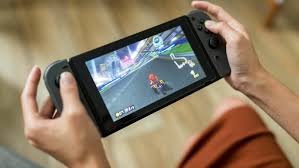


Gaming culture has evolved from a niche hobby into a global phenomenon, influencing entertainment, social interactions, and even professional landscapes. This article explores the multifaceted world of gaming culture, examining its history, current trends, societal impact, and the communities that thrive within it.
1. The Origins of Gaming Culture
The roots of gaming culture trace back to the early days of video games in the 1970s and 1980s. Arcades became social hubs where enthusiasts gathered to play and compete. As technology advanced, home consoles and personal computers brought gaming into households, laying the foundation for the diverse gaming communities we see today.
2. Evolution of Gaming Platforms
- Arcades: The birthplace of competitive gaming, offering a variety of games that attracted players from all walks of life.
- Home Consoles: Systems like the Atari 2600 and Nintendo Entertainment System made gaming accessible to a broader audience.
- Personal Computers: Enabled more complex games and introduced genres like real-time strategy and first-person shooters.
- Mobile Gaming: Smartphones brought gaming to the masses, leading to a surge in casual gaming.
- Virtual Reality (VR): Offers immersive experiences, pushing the boundaries of traditional gaming.
3. Key Genres Shaping Gaming Culture
- Role-Playing Games (RPGs): Allow players to assume the roles of characters in fictional settings, emphasizing narrative and character development.
- First-Person Shooters (FPS): Focus on gun and projectile weapon-based combat through a first-person perspective.
- Massively Multiplayer Online Games (MMOs): Enable thousands of players to interact in a persistent online world.
- Sports and Racing Games: Simulate real-world sports and racing experiences, offering both realism and arcade-style gameplay.
- Simulation Games: Replicate real-life activities, from city-building to life simulation.
4. The Rise of Esports
Esports, or electronic sports, refers to organized, multiplayer video game competitions, particularly between professional players, teams, or individuals. What started as casual competitions has evolved into a billion-dollar industry, with professional leagues, sponsorships, and global tournaments. Esports has not only provided entertainment but also career opportunities for gamers worldwide.
5. Impact of Gaming on Society
- Social Connections: Online multiplayer games have fostered global communities, allowing players to connect and collaborate across borders.
- Cognitive Benefits: Studies suggest that gaming can improve hand-eye coordination, problem-solving skills, and multitasking abilities.
- Cultural Influence: Games like “The Legend of Zelda” and “Final Fantasy” have influenced art, music, and storytelling in broader media.
- Economic Impact: The gaming industry contributes significantly to the global economy, providing jobs and driving technological advancements.
6. Gaming Communities and Subcultures
Gaming culture is rich with diverse communities, each with its own identity and values. From casual gamers to hardcore enthusiasts, from speedrunners to modders, these subcultures contribute to the dynamic and ever-evolving landscape of gaming.
7. The Role of Streaming and Content Creation
Platforms like Twitch and YouTube have transformed gaming into a spectator sport. Content creators and streamers share gameplay, reviews, and tutorials, building personal brands and communities. This shift has made gaming more accessible and has introduced new forms of entertainment and income for creators.
8. Challenges Facing the Gaming Industry
- Representation and Diversity: There’s an ongoing conversation about the need for more diverse characters and stories in games.
- Addiction Concerns: While gaming offers many benefits, excessive gaming can lead to addiction, affecting personal and professional life.
- Monetization Practices: Issues like microtransactions and loot boxes have sparked debates about ethical monetization in games.
- Regulation and Violence: Discussions continue about the impact of violent video games on behavior and the need for appropriate content ratings.
9. Future Trends in Gaming
- Cloud Gaming: Allows players to stream games without high-end hardware, making gaming more accessible.
- Artificial Intelligence (AI): Enhances game design, creating more responsive and intelligent non-player characters (NPCs).
- Augmented Reality (AR): Blends real-world environments with game elements, offering new ways to play and interact.
- Blockchain and NFTs: Introduces new ownership models for digital assets within games, though it’s a topic of debate within the community.
10. Celebrating Gaming Culture
Gaming conventions like E3 and PAX bring together enthusiasts to celebrate and preview upcoming games. Events such as “Game Developer Conference” (GDC) foster innovation and collaboration. Additionally, recognizing gaming achievements through awards like The Game Awards highlights the industry’s growth and cultural significance.
Conclusion
Gaming culture is a vibrant and integral part of modern society, influencing entertainment, technology, and social structures. As technology advances, gaming will continue to evolve, offering new experiences and challenges. Understanding its history, impact, and future trends provides insight into a dynamic digital landscape that shows no signs of slowing down.